

Too many Americans are drowning in credit card debt. And none of them ever imagined being in this situation. Perhaps it started with a 0% introductory credit card. And then it jumped to 29% overnight. Or maybe you thought the cash back or rewards incentive would help you keep up with the Joneses.
Regardless of how you got to this point, it's time to rescue you from drowning in credit card debt.
8 Steps to Take When Drowning in Credit Card Debt
1. Stop Using Credit Cards
Just about everyone that carries large balances on their credit cards has the same behavior in common. And that behavior is overspending. Each time we chose to swipe a credit card, we purchase something we can't afford. Otherwise, we would use our debit card or cash. Credit cards allow us to live beyond our means temporarily until we reach our credit limits. As a result, many people become addicted to this lifestyle to the point we open another credit card to continue the overspending party.
As the debt goes up, our credit score declines. Ultimately, we find out that no one wants to lend us money any more. We are left looking for some sort of flotation device as we struggle to stay afloat at sea.
If your pile of credit card debt looks as big as Mt. Everest, then it's time to stop charging. You need to come to the conclusion that you are not a credit card person. Cut up the cards and vow to use debit cards from here on out.

2. Add Up the Total Damage
If you feel like you are drowning in credit card debt, then you probably feel like you hit rock bottom. The good news about hitting rock bottom is that you can only go up from here. First, add up your total credit card debt as a marker to the beginning of your debt free journey. Consider your total debt amount your maximum weight prior to going on a diet. Keep charts showing your balances every three months as the balances decrease.
Then, list all your debts with the lowest balance at the top and the highest at the bottom. The lowest balance debt should be your main focus to pay off. Send the minimum payments to all accounts except for the lowest balance. Attack the this lowest balance account with extra payments until it's paid in full. Then roll that payment amount to the next lowest balance until all accounts are paid in full.
3. Document All Expenses and Income when Drowning in Credit Card Debt
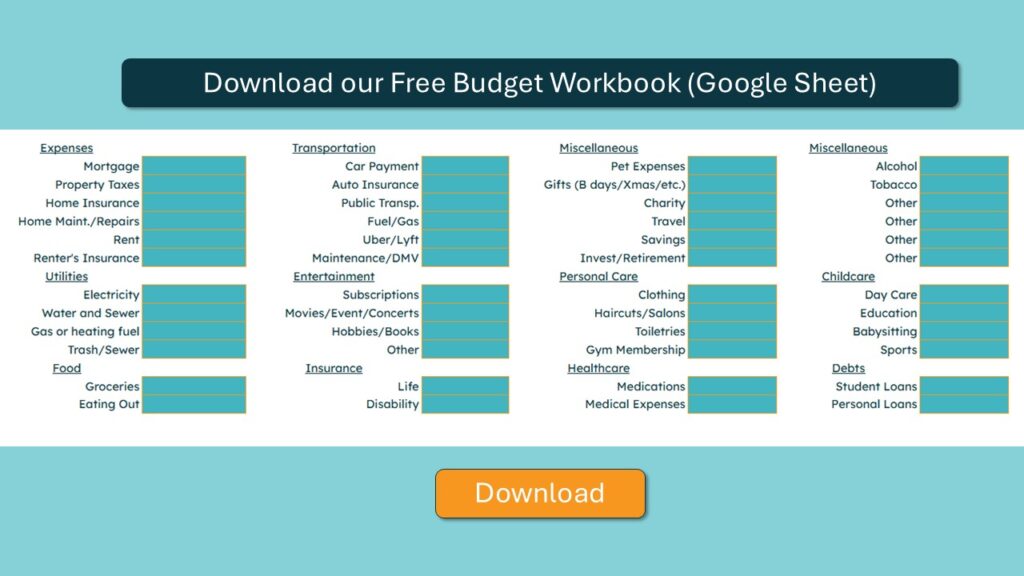
Create a spreadsheet that shows all of your actual monthly expenses and income. Your should end up having between 20-30 expense categories. Get as detailed as possible. Separate the Food expenses into two categories. One for Eating Out and one for Groceries. Entertainment should be specific as well. Breakdown the total monthly cost for each category like Movies, Golf, etc.
4. Cut Expenses
None of our expenses are permanent. Be open to reducing and eliminating some expenses. We all need to pay rent or mortgage for shelter. But nobody has forced you to stay at your current residence. Perhaps, you have an extra room to have a roommate help pay for some of the rent? Or maybe you own a home you can no longer afford?
Here's a list of expenses that should be eliminated or severely reduced when drowning in credit card debt. Perhaps you can find an extra $300-500 by eliminating or reducing the following:
- Stop contributing to your retirement account
- Stop contributing to Savings
- Travel. No vacations until you are credit card debt free.
- Entertainment. Find free things to keep you entertained instead.
- Eating Out. Prepare meals from home and bring a lunch to work.
More expenses to reduce or eliminate
- Clothing. Revisit your closet and consider wearing your old wardrobes again.
- Gifts. Drastically cut back on expenses for birthdays and holidays.
- Tithing. Volunteer your time instead of providing cash donations.
- Gym memberships. Exercise from home or at a park instead
- Cable/Streaming Services. Eliminate as many as these as possible.
Tell your friends and family you have committed yourself to becoming debt free. This will help them understand your desire to cut back on the spending in many of the categories above.
5. Increase Income when Drowning in Credit Card Debt
Increasing income is one of the most effective ways to improve your financial stability and ultimately pay down debt faster. The best methods to increase it depend on your skills, time, and resources.
For quick income, sell items you no longer use or need. Use platforms like Facebook Marketplace, OfferUp, or eBay to sell electronics, clothes, furniture, or tools. Consider freelance work by using platforms like like Upwork, Fiverr, DoorDash, Lyft or Uber. They allow you to earn money quickly based on your schedule.
"But I'm on a fixed income." Many people that say they are on a fixed income have a mental barrier preventing them creating more income. Instead, lose the victim mentality and create additional income. Take on part time work. Ask for overtime and a raise.
6. Stop Obsessing Over Your Credit Score
Somewhere along the way, your credit score was good enough to qualify for credit cards. It allowed you to purchase items you couldn't afford. And now you find yourself drowning in credit card debt.
So was that good credit score worth it? Probably not. It's important to have a good credit score to finance a new car or a house. But, you shouldn't purchase a new car nor a house if you have credit card debt. Instead, focus on one goal and one goal only. Pay off your credit card debt.
In conclusion, a good credit score will simply lead you to more debt. If you hyper focus on paying off your debt, as a result, your score will improve.
7. Consider Credit Counseling or Hardship Programs
Credit Counseling offers a great solution to pay back your credit card debt. Customers typically get lower interest rates and lower payments. As a result, their debt gets paid off in about 5 years by just making the minimum payments. Of course, they charge fees for their services, but they are usually minimal. You can expect to pay $20-$50 per month depending on your total debt and state laws.
Most credit card companies offer their clients internal hardship programs. If you qualify, you typically see a reduction in your APR and payments. But often, the program terms are only 6-12 months. Then your payment and rates return to the original terms.
With either solution, expect your cards to get closed. No more accruing debt while on these programs.
8. Avoid Debt Settlement Companies
Debt Settlement companies charge hefty fees for providing a service you can do on your own. The concept is to intentionally starve your credit card companies of payments. Once your accounts become severely delinquent, now your creditors are willing to negotiate the total balance you owe. Your credit score obviously declines each month you miss a payment. There will also be tax implications with this program. The portion of your debt not paid in full becomes taxable income.
